


HOME-BUILDING ADVICE
Setting a realistic home budget: what to count beyond the construction cost
The costs that sit outside the construction quote, how to build a contingency and what to ask so the final bill holds no surprises.
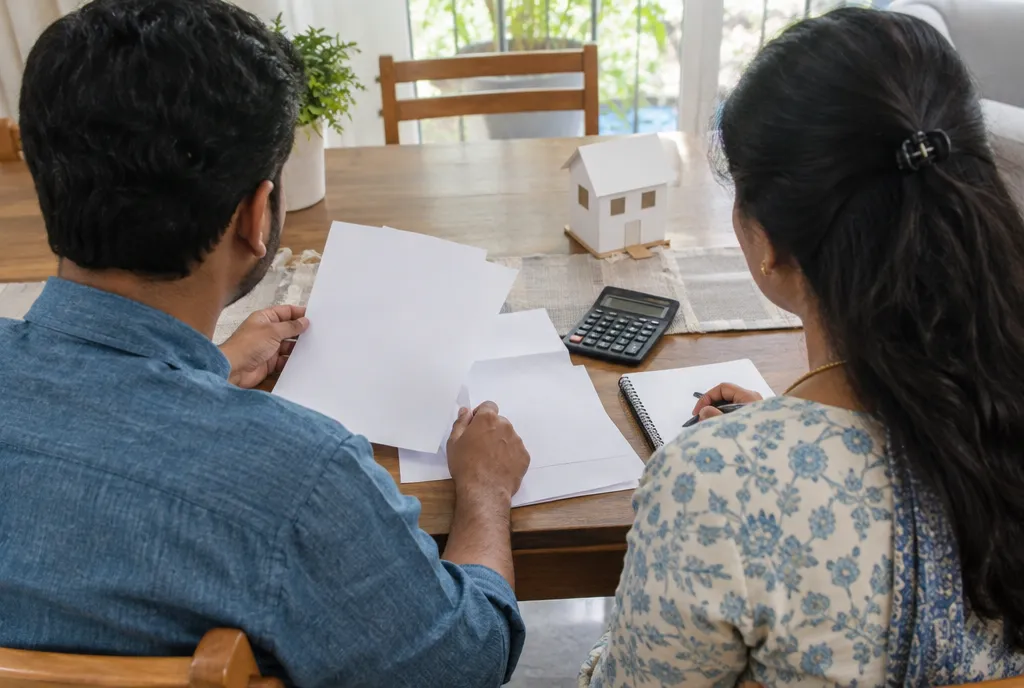
A realistic home budget covers more than the construction quote. It adds the plot-related costs, design and approval fees, utility connections, interiors and a contingency you agree in advance. Counting all of it before you sign gives you a number you can actually live with, in rupees you have set aside.
Costs that sit outside the construction quote
Ask any builder what the quote includes and, just as important, what it leaves out. These are the items most often missed:
- Design, structural and approval fees, and the cost of drawings you may need to revise.
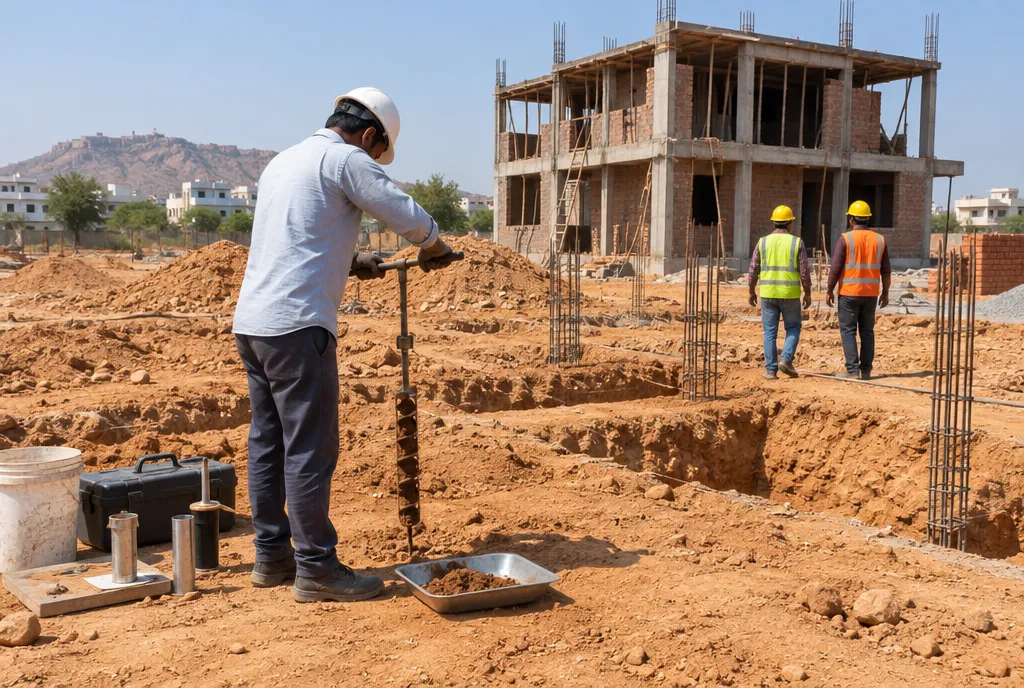
- Soil testing and a boundary survey of the plot.
- Boundary wall, gate, and levelling or filling of the plot.
- Electricity connection, meter, water supply, borewell or sewer connection.
- Water tank, solar water heater, inverter and similar fixtures that are sometimes priced separately.
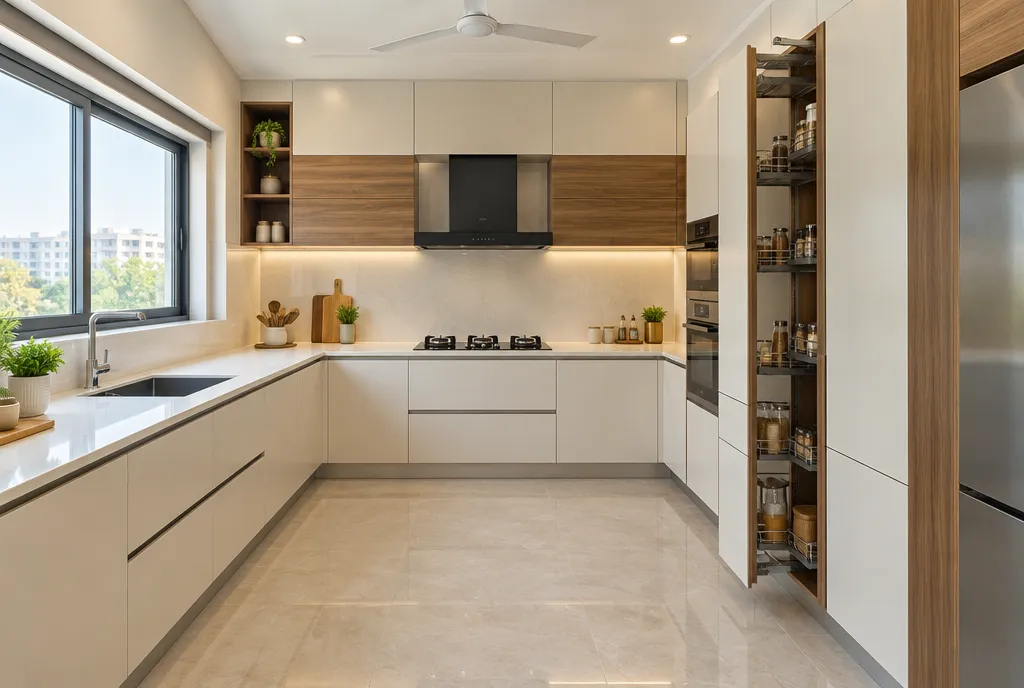
- Furniture, curtains, appliances and light fittings.
- Landscaping, outdoor paving and parking finish.
- Rent for where you live during construction, and shifting costs.
- Loan interest and processing charges that accrue before you move in.
Build a contingency before you need one
Even a well-planned project meets surprises: an unexpected soil condition, a price change in steel, a layout you decide to alter. Set aside a contingency as a separate line, agree its size with your family, and treat it as untouchable for upgrades. If it is not used, it becomes your furnishing budget.
Ask for an itemised estimate
A single total is hard to compare. Ask for a breakdown by stage and by trade, with the specification of key materials written down.
- Which materials and brands are assumed for flooring, fittings, paint and doors?
- Which items are allowances (a placeholder amount) and which are fixed prices?
- What is excluded from the scope, in writing?
- How are changes priced, and who approves them?
- How are payments linked to stages of work?
Decide where to spend and where to wait
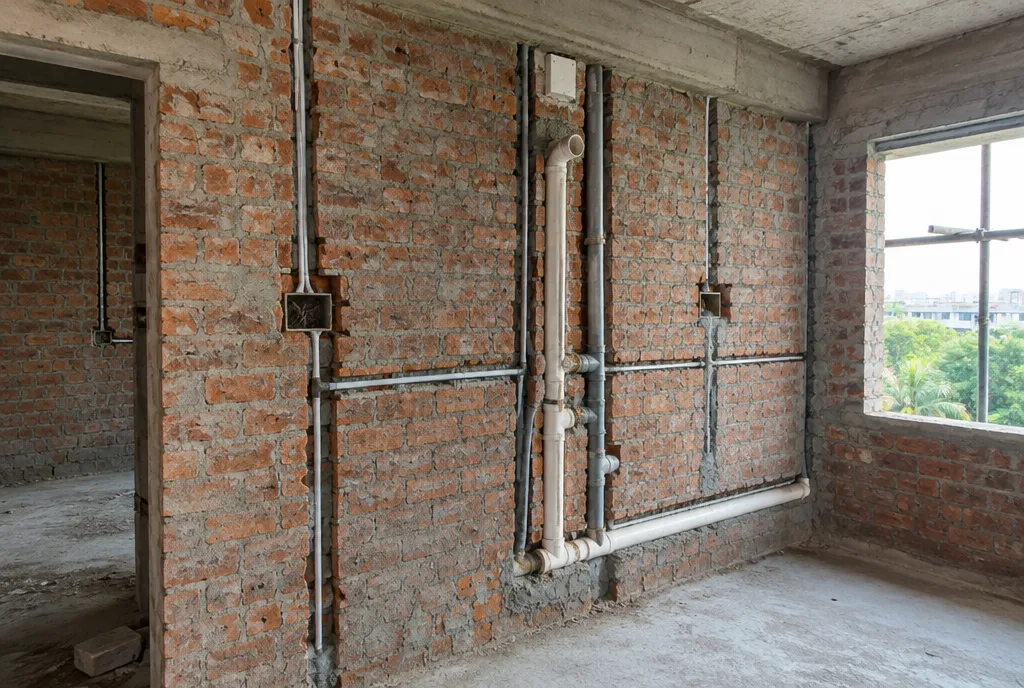
Structure, waterproofing, wiring and plumbing are expensive to redo, so they deserve the money first. Many finishes, such as loose furniture, some lighting and landscaping, can be added later. Ranking your wishes into must-have, nice-to-have and later helps you cut without regret.
Add these up on one page before you finalise the plot or the plan. Seeing the full figure early lets you adjust the size or specification of the house while changes are still free.
Keep the budget alive during construction
- Review actual spending against the estimate at every stage payment.
- Record each change as a written variation with its cost.
- Compare your list of outstanding decisions with the schedule, because late decisions cost money.
If you want to see what a complete scope looks like, browse our projects and note what was included.
How Reidius Infra can help
With architecture, construction and interiors under one team, Reidius Infra can put the whole scope on one estimate so you see what is and is not counted. Book a free consultation and bring your plot details and your must-have list.