








CONSTRUCTION
Waterproofing before the monsoon: terrace, bathrooms and sunken areas
Where water gets into a house, how a proper waterproofing job is done, and how to test it before the first heavy rain arrives.
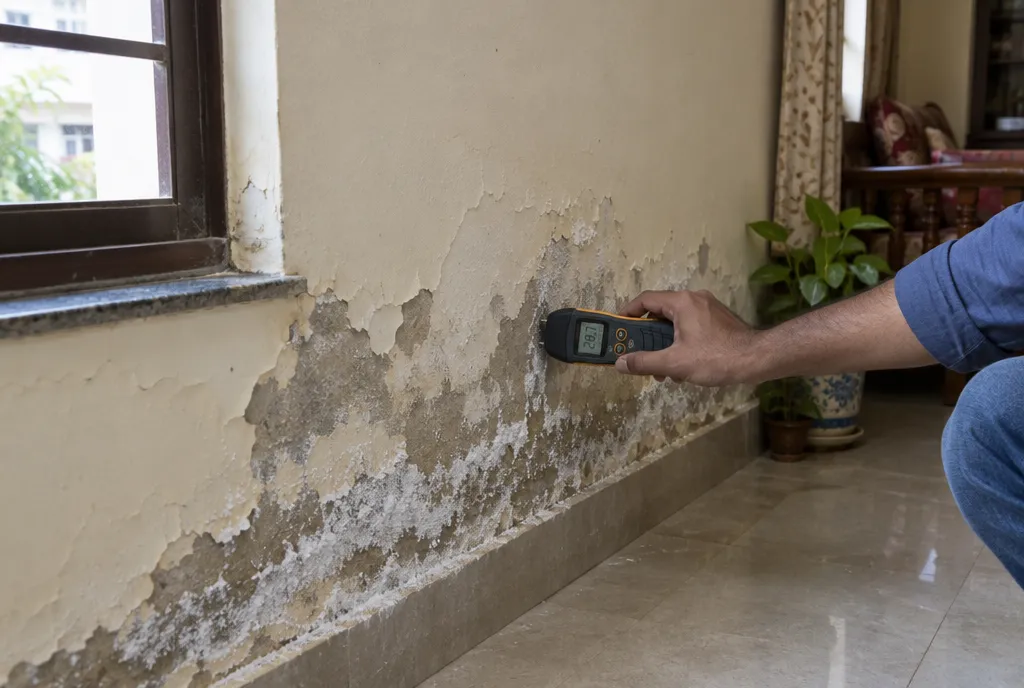
Waterproofing is a layered treatment that stops rain and wet-area water from seeping through slabs and walls. Do it on the terrace, in bathrooms and in sunken areas before the monsoon, then test it. Damp patches, peeling paint and corroding rebar are far cheaper to prevent than to repair.
Where water usually gets in
- Terrace slab, especially at the parapet junction and around drain outlets
- Bathroom and toilet floors, and the lower part of their walls
- Sunken slabs, balconies, planters and the base of water tanks
- Pipe sleeves, expansion joints and hairline cracks
Jaipur gets intense summer heat followed by sharp monsoon downpours. The slab expands and contracts through the year, so rigid, brittle coatings can crack at joints.
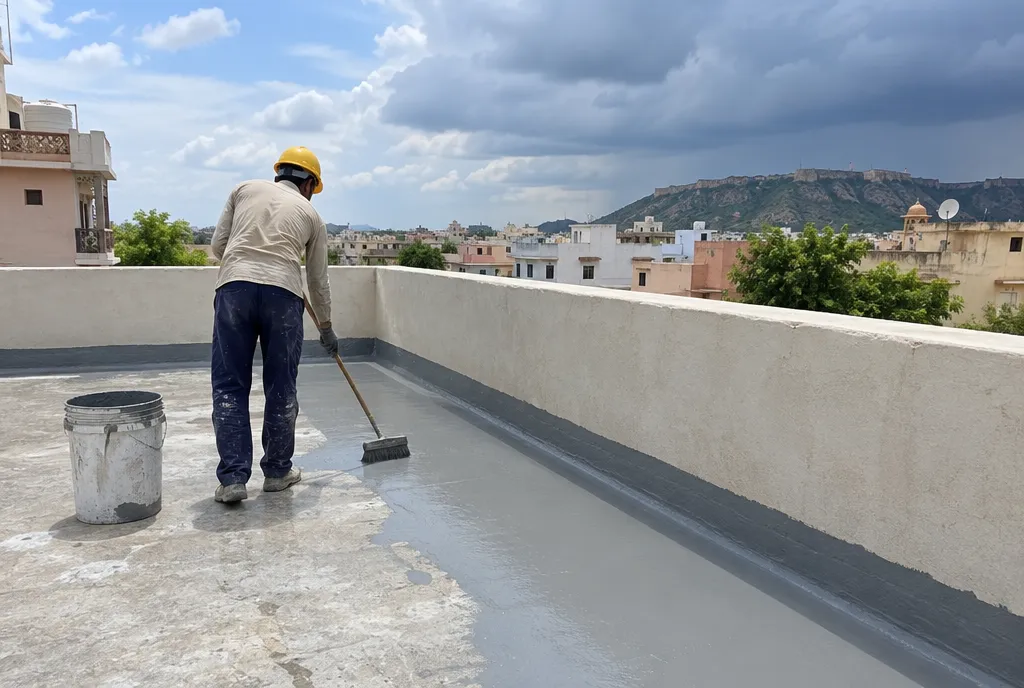
Terrace waterproofing, step by step
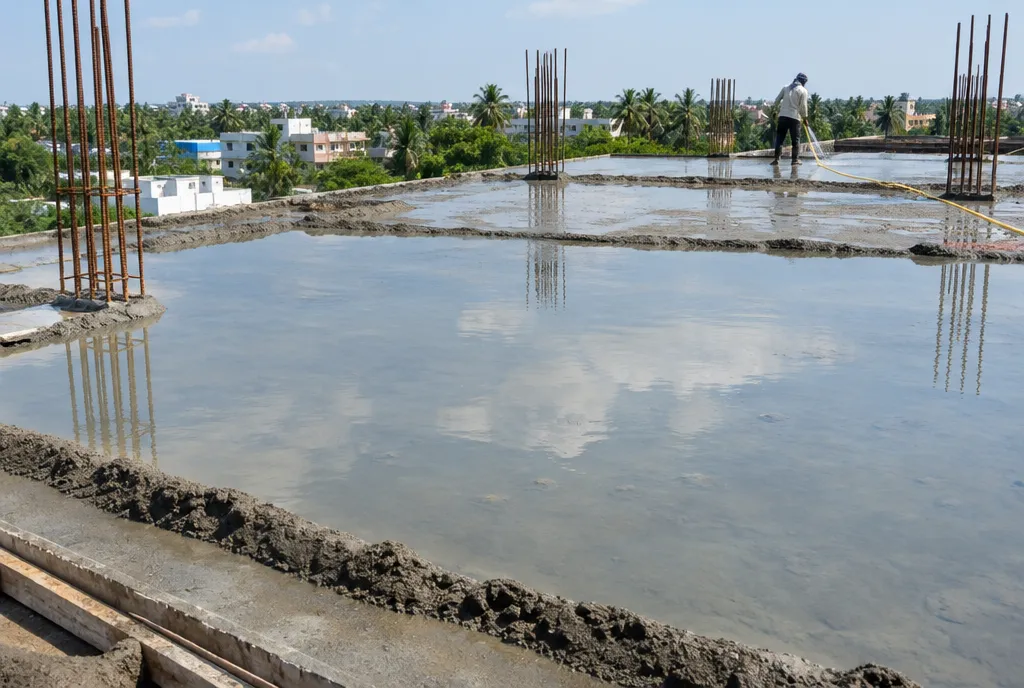
- Clean the surface fully and repair cracks and honeycombing
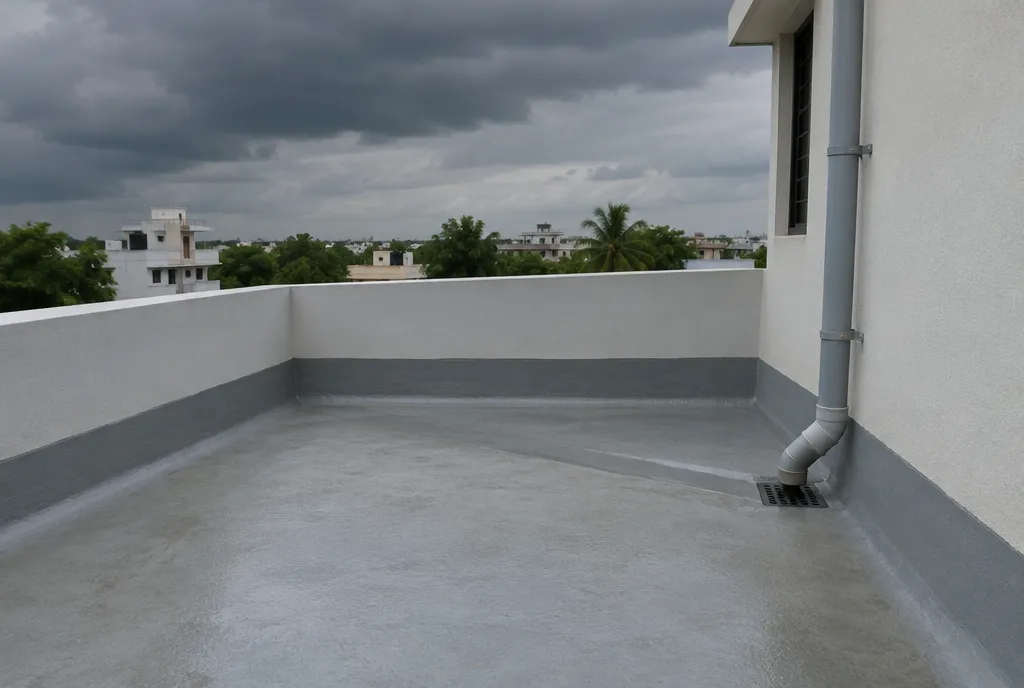
- Form a rounded fillet where the slab meets the parapet
- Make sure the screed slopes towards the outlets so water never stands
- Apply the waterproofing system in the number of coats the manufacturer specifies, and let each coat cure
- Turn the coating up the parapet wall, as high as the system's instructions say
- Finish with a protective screed or tiles
Bathrooms and sunken areas
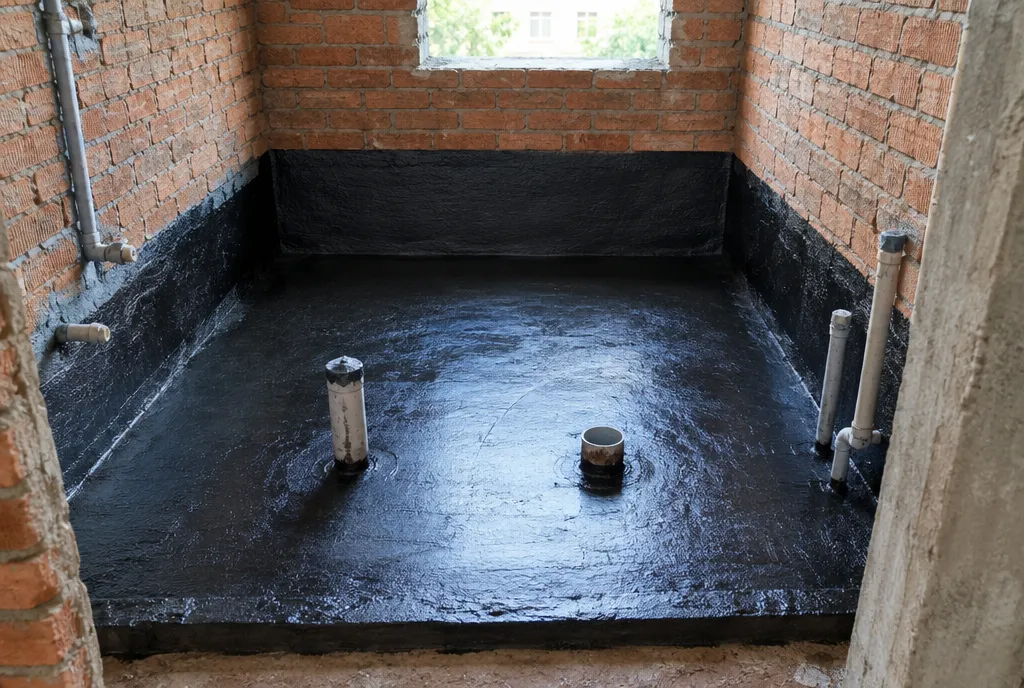
In wet areas, waterproof the floor and take the treatment up the walls, with more height in the shower zone. Seal carefully around pipe sleeves and drains, since these are the most common leak points. Sunken slabs and balconies follow the same rule: treat the floor, the edges and every penetration.
Test before you cover it up
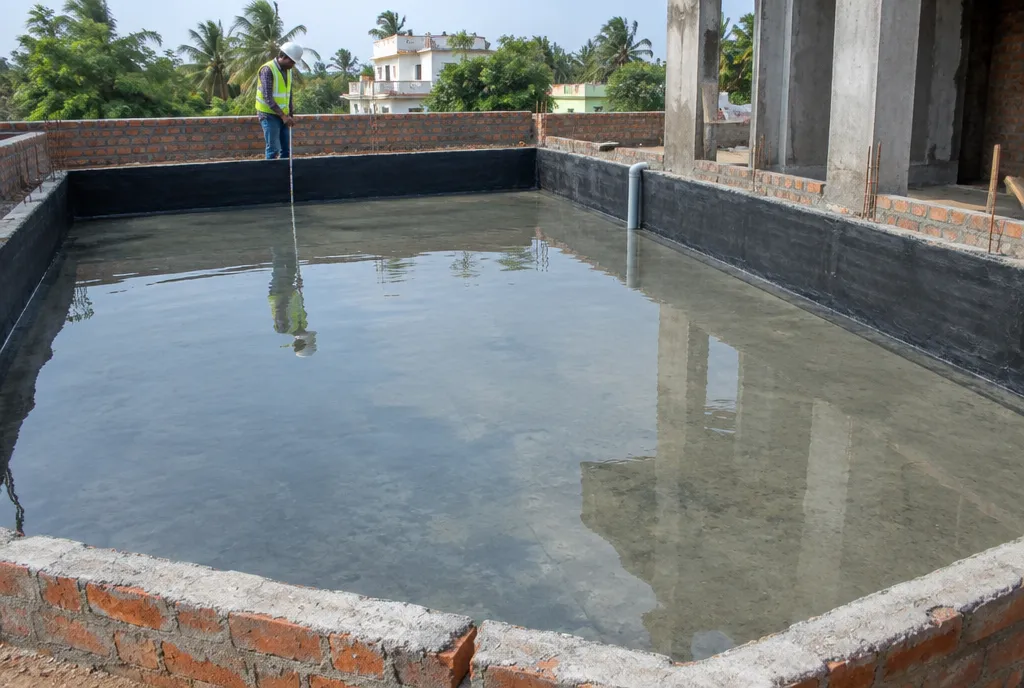
Do a ponding test before tiles or screed go over the waterproofing. Block the drains, fill the area with a few centimetres of water, mark the level and wait for the period your engineer or the product maker advises, commonly one to three days.
- If the level holds and the ceiling below stays dry, proceed
- If it drops or damp shows below, find and fix the leak while it is still easy to reach
Mistakes to avoid
- Applying over a dusty, oily or wet surface
- Skipping the fillet at corners and joints
- Letting later trades damage the layer by drilling or dragging tools across it
- Starting in the last weeks before the rains, when there is no time to test
Maintenance after the job is done
Waterproofing is not a one-time promise. Clear terrace drains and outlets before every monsoon, remove leaves and silt, and look for hairline cracks at the parapet and around pipes. Small gaps sealed early stay small.
Ask for dated photos of each stage, particularly if you are not on site. See how finished homes turn out in our projects.
How Reidius Infra can help
Reidius Infra plans waterproofing, drainage slopes and the finishing above them together, so one stage does not undo another. Book a free consultation and we will help you prepare your home for the rains.